

Building a Silver Collection: Where to Start
Start with the design you'd keep if you could only own one. A plain-spoken on-ramp to collecting solid silver statues — first piece, lane, pace.
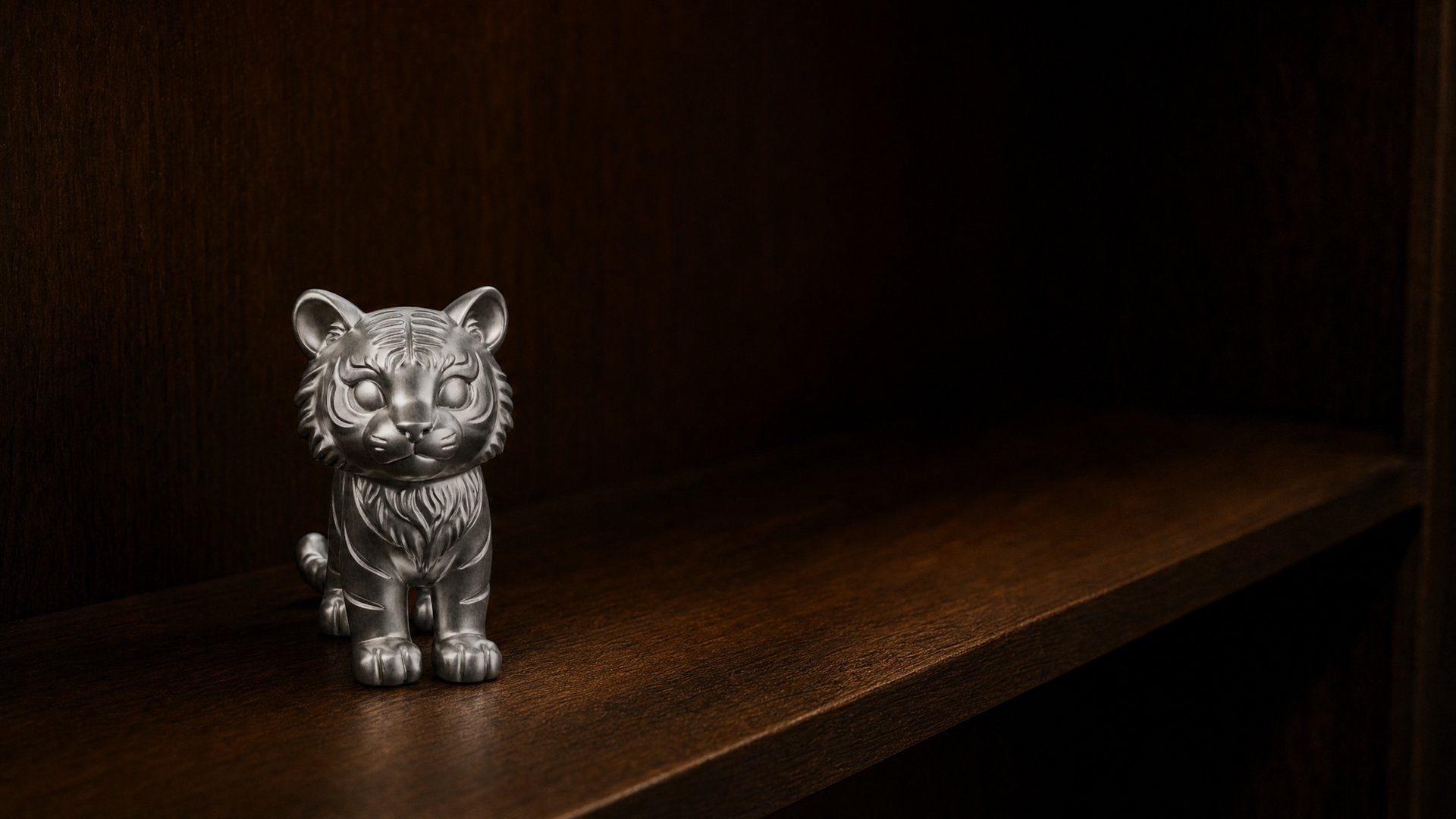
Start with the design you’d keep if you could only own one. Not the cheapest way in, not the cleverest value per ounce, the piece you already know exactly where you’d put.
That’s the whole answer. Everything below is the detail that keeps a first purchase from becoming a last one, because most silver collections don’t fail from bad taste. They fail at piece one, when somebody buys a compromise “to test the waters,” feels nothing when it arrives, and never orders again.
The first piece: buy an anchor, not a toe-dip
The tempting move is to start tiny and lukewarm. A small ounce of something you’re indifferent to, just to see. Skip that. A collection that opens with a shrug tends to close with one.
Buy the anchor instead, a subject you already care about, at a size you’ll notice from across the room. Our ladder runs ten standard sizes from 1 oz at $199 up to 32 oz at $4,800 (availability varies by design), and anchors usually live somewhere in the middle: heavy enough to have presence, priced so you can still buy the second piece within the year.
If you want the textbook version, it’s Zeus, King of the Gods. King of the pantheon, first on the shelf, a piece that announces what the shelf is going to be about. Guests ask about it. That matters more than it sounds, because a collection you get to talk about is a collection you keep building.
One thing you will not have to curate: purity. Every statue we pour is solid .999 fine silver, one grade, every piece, X-ray tested for purity and weight before it ships, with a Certificate of Authenticity and serial number in the box. Your collecting decisions stay where they belong, on the designs.
The short version
- Buy an anchor, not a toe-dip. A subject you already care about, at a size you’ll notice from across the room. A collection that opens with a shrug closes with one.
- The second piece decides whether you have a collection. One statue is decor; two that answer each other is a shelf with a theme.
- A lane is a spine, not a cage — house rule: every third piece is allowed to wander.
- Slow beats binge, and nothing sells out. Your copy doesn’t exist until you order it, so there’s no scarcity clock.
- Collect for the shelf, not the market. The 95–98% of spot buy-back is a floor under your worst case, not an investment pitch.
The second piece decides whether you have a collection
One statue is decor. Two that answer each other. That’s a collection, and the second purchase is where you pick a lane. We keep about 770 original designs across 15 collections, which sounds like freedom and behaves like paralysis unless you commit to a theme early.
Three lanes that work:

Gods and myth
Odin the Allfather Silver Statue
If Zeus anchors your shelf, Odin the Allfather is the natural reply, a second pantheon staring down the first.
Monuments
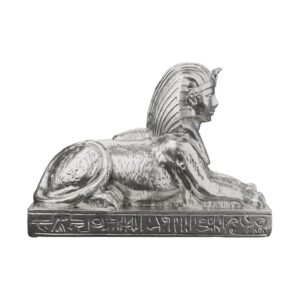
Great Sphinx of Giza Silver Statue
Some collectors skip figures entirely and collect civilization.
Symbols
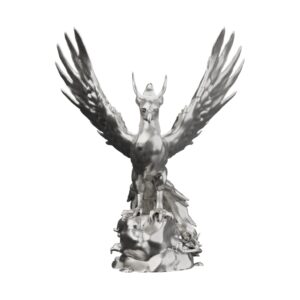
Phoenix Ascendant Silver Statue
Pieces that mark something. The Phoenix Ascendant is the one people buy after a year that tested them — a fresh start with actual weight to it.
A lane is a spine, not a cage. A useful house rule: every third piece is allowed to wander. Order stag, stag, then a skull if the skull is calling you. And plenty of collections start sideways anyway. Somebody hands you one as a gift and now the shelf exists. If you’re that somebody, the gifting hub sorts pieces by the person you’re buying for.
Pace, money, and why nothing here sells out
Slow beats binge. One or two pieces a year builds a shelf with a story; six in a month builds a pile. Because everything is made to order, there’s no scarcity clock pushing you, a design in New Arrivals is never “sold out,” because your copy doesn’t exist until you order it and we pour it.
On the money: collect these because you want them on the shelf, not because you expect them to beat the market. They’re art with a metal floor, and the floor is real — we buy back any piece at 95–98% of the day’s silver spot for its metal weight, any time. That’s a floor under your worst case, not an investment pitch. If pure metal exposure is what you’re after, bullion is cheaper. What bullion can’t do is hold a room.
Care is five minutes a year. A soft dry cloth for dust, a silver cloth if a piece starts to darken, and never abrasive polish or dips. Keep statues out of direct sun and humidity, and drop anti-tarnish strips into the box if one goes into storage between moves.
The honest part: your piece takes 4–8 weeks
Nothing on our shelf ships tomorrow. Every statue is made to order across eight hand-worked stages, designed, printed, cast, refined, stamped, shipped, and that takes 4 to 8 weeks. You get an email at every stage plus a live “Your Order Journey” bar in your account, but no amount of tracking makes silver cool faster.
For a collector, the wait is mostly a feature wearing a disguise. The piece that arrives was poured for you, finished by a person, not pulled off a warehouse rack, and a new arrival you commissioned in week one is a statue nobody else has held yet. But it’s still a wait, so plan around it: if a piece is doubling as a Christmas gift, order by mid-October, and if a date is closer than that, a gift card from $199 lets them start the collection themselves.
Where to start
So: open the full catalog, and don't browse for the best deal. Browse for the one design you'd keep if you could only keep one.