

How to Clean a Silver Statue Without Ruining It
A soft, dry cloth is the whole routine. How to care for a solid silver statue — and why dips and polish pastes will cost you the detail.
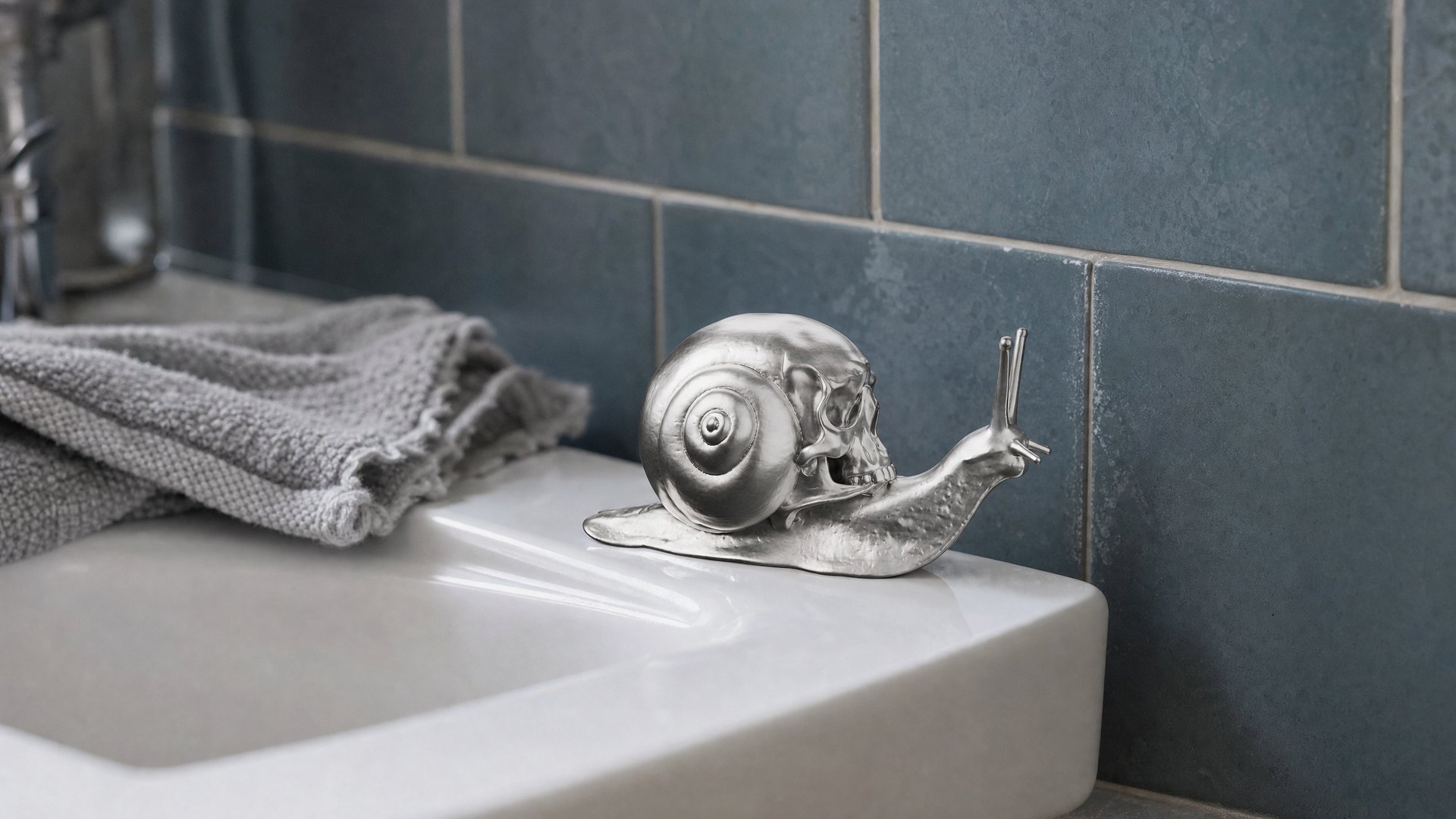
A soft, dry cloth. That’s the answer. Wipe the statue down now and then, keep it out of direct sun and humidity, and you’re done, for a solid .999 fine silver statue, the correct cleaning routine is shorter than the warning label on any product sold to do the job for you.
The harder part is what not to do. Most of the silver-care advice you’ll find online was written for flatware and jewelry, and most of the products on the shelf were formulated to strip a serving tray fast. Point those at a sculpted piece and you can do real damage in about ninety seconds. We pour these statues in our own South Florida workshop and finish every one by hand, so we have earned opinions about which bottles undo that work.
Here’s the routine that protects the work.
Ninety percent of the job is a dry cloth
Regular care means a soft, dry cloth — microfiber, or the flannel that came in the presentation box. Wipe gently, following the surface rather than scrubbing across it. That’s it. No spray, no water.
What you’re removing is dust and the film that settles on everything in a house, plus a little oil from handling. None of that requires chemistry. It requires a cloth and about a minute.
Two habits make the minute count. First, handle the statue by its base or its broadest surfaces, because fingertips leave oil and oil is where darkening starts. Second, wipe it down when you happen to notice dust rather than on some schedule, a piece that gets a casual pass every few weeks never builds up enough of anything to need more.
That’s the entire maintenance plan for a piece like the Katana Samurai, where the armor plates and the line of the blade are the whole point. A dry cloth keeps those edges crisp. Nothing stronger is ever required, and most of what’s stronger will round them off.
The short version
- Regular care: a soft, dry cloth. No spray, no water, no chemicals.
- Handle by the base or broad surfaces — fingertips leave oil, and oil is where darkening starts.
- Never use dips, abrasive polish, or toothpaste — they strip the sculpted shading along with the tarnish.
- If it darkens anyway, the one escalation is a silver polishing cloth, worked gently over the outer surfaces only.
Why we’ll never tell you to use a dip
Dip solutions, the little jars you swirl silver through and pull out “bright”, work by dissolving the tarnish layer chemically. The trouble is they don’t ask which parts of the surface you wanted to keep. They take everything: the darkening on the high spots you disliked, and the soft shading down in the recesses that makes sculpted detail readable.
That shading matters more than most people realize. Look closely at a detailed piece, the ornament worked across the Ornate Jeweled Skull is a good example, and you’ll see the design reads because the low points sit slightly darker than the high points. Depth, in metal, is mostly contrast. A dip erases the contrast and hands you back something flatter and brighter and worse, like a photograph with the shadows deleted. Once that’s gone, no cloth brings it back.
Abrasive polish pastes fail differently but just as permanently. Fine silver is a soft metal. Paste is grit in a carrier, and grit removes silver, every pass takes a little of the surface with it, and on a statue the first thing to go is the finest work: petal edges, hair lines, the thin raised beading a finisher spent real time on. The Fairy Among the Lilies carries exactly the kind of fine botanical detail that abrasives eat first. You can’t polish that back on.
So: no dips, no pastes, no “instant tarnish remover,” no toothpaste (yes, people try toothpaste), no baking-soda-and-foil trick from the internet. All of them trade the sculptor’s surface for shine. Bad trade.
When it darkens anyway: the silver-cloth step
Silver darkens. It’s supposed to, the metal reacts slowly with sulfur in the air, and that reaction is part of owning the real thing. On .999 fine silver it happens gradually, but give it enough months near a kitchen or an open window and you’ll see the tone shift.
When it does, the escalation is exactly one step: a silver polishing cloth. These are soft cloths impregnated with a mild polishing compound, sold at any jeweler, and they’re gentle enough to use on sculpted work. Work slowly over the outer surfaces where the darkening shows. Skip the deep recesses on purpose — that’s where the shading belongs, and the cloth can’t reach in there anyway without you forcing it.
You’ll feel the difference in approach immediately. A silver cloth asks for patience and rewards it. A dip asks for nothing and takes everything.
One honest note
If a statue has darkened heavily for years in a bad spot, a silver cloth will improve it but may not fully restore the original finish, and that’s the moment to email us at info@sygusa.com before trying anything stronger. Every piece we ship was x-ray tested and hand-finished on our bench; we’d rather tell you what it needs than have a hardware-store product make the call.
Where it sits does half the work
The cheapest cleaning method is placement. Silver darkens fastest in humidity, in direct sunlight, and near sulfur sources — rubber, wool felt, some paints, and whatever is steaming off a stovetop.
So give the statue a spot with stable, dry air, out of the sun. A shelf in a living room or study beats a windowsill, a bathroom, or the mantel over a working fireplace. If a piece goes into storage for a season, wrap it in the soft cloth it shipped with, add an anti-tarnish strip to the box, they cost a few dollars and quietly absorb the sulfur before the silver can, and keep the box somewhere climate-controlled rather than a garage or attic.
Do that, and the dry-cloth wipe stays a once-in-a-while habit instead of a chore. Place a piece well and the silver cloth might come out once a year. Maybe less.
Where to start
If you want the specifications behind the advice — purity, testing, buy-back terms — the fact sheet has all of it in one place. And if the piece you’re taking care of is starting to look lonely up there, the catalog runs about 770 designs deep, every one poured to order in the same fine silver.