

Gifts You Can Insure: When a Present Belongs on the Policy
Some gifts belong on an insurance policy. What makes a present insurable, the paperwork we ship with every statue, and what to ask your insurer.
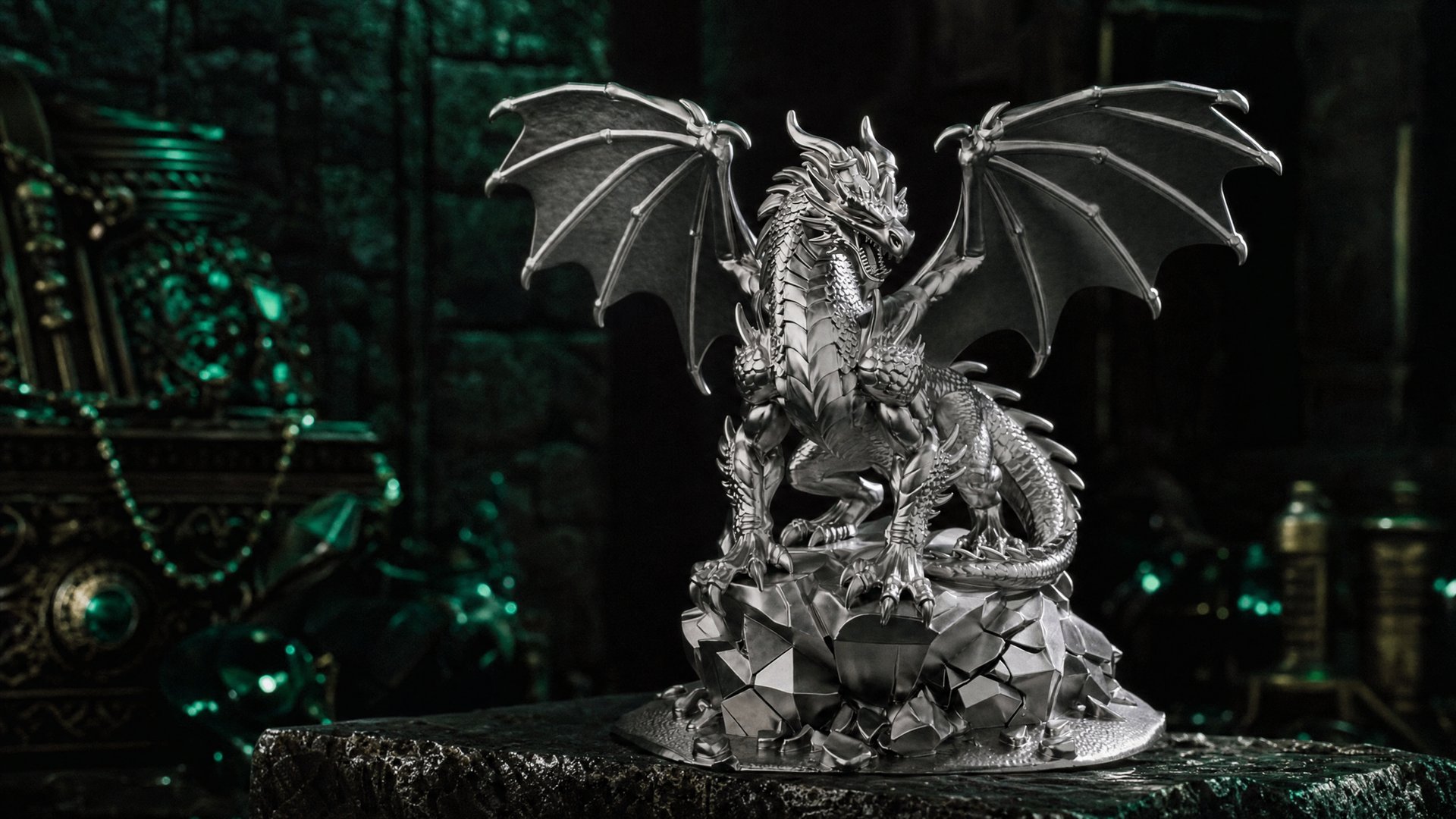
Some gifts can go on an insurance policy, and the ones that qualify all share one trait: paperwork. Before an item gets its own line on a policy, an insurer generally wants to know what it is exactly, that it’s yours, and what replacing it would cost. A cashmere sweater answers none of those questions; a solid silver statue with a serial number answers all three.
One thing before we go any further. We pour metal for a living. We are not insurance advisors. Nothing on this page is coverage advice, and the only people who can tell you what your policy covers are your agent and your insurer. What we can tell you, down to the stamp, is what documentation leaves our workshop with every piece. That stack of paper is what your conversation with the insurance company runs on.
What separates an insurable gift from a nice one
Picture the claim, because that’s the moment everything is designed backward from. Something is stolen, or a move crushes the box it lived in, and an adjuster starts asking questions. What was it? Who made it? What was it made of, and how much of it? Can you prove any of that?
Most gifts die at question one. A $400 jacket is “a $400 jacket” only while the receipt survives, and even then the receipt describes a product line, not your jacket. Electronics fare a little better and depreciate anyway. Art with no documentation turns into an argument.
Precious metal skips most of the argument. Weight and purity are measurable facts, silver has a published price every trading day, and a stamped, serialized object can be identified as itself — this piece, made by this workshop, containing this many troy ounces. An appraiser gets something solid to stand on. So does the person you gave it to, who is now the one holding the paperwork.
The short version
- Insurable gifts share one trait: paperwork — what it is, that it’s yours, and what replacing it would cost.
- Every statue ships with a Certificate of Authenticity, serial number, and stamped weight and purity, X-ray verified before it leaves the workshop.
- This isn’t coverage advice — only your agent or insurer can say what’s covered and at what value.
- The buy-back (95–98% of spot) is a floor under the piece, not an appraisal figure to hand your agent.
- Every piece is made to order, 4 to 8 weeks through eight hand-worked stages — paperwork this good takes time to earn.
The paper trail in the box
Every statue we cast leaves our South Florida workshop with its documents riding along in the presentation box:
- a Certificate of Authenticity carrying the piece’s serial number
- the weight and purity stamped into the silver itself, matching that certificate
- an X-ray test for purity and weight, run on every piece before it ships
- a limited lifetime warranty against defects
The stamp matters more than people expect. Papers get filed and lost; the weight and purity marked in the metal travel with the statue for the rest of its life. And because every piece is made to order, your order record describes your statue specifically: what was poured, at what size, bought on what date, for what price. That beats a generic product listing in any documentation pile.
Custom commissions add one more fact worth raising with your agent: we cast a custom design once, then retire it forever. A true one-of-one has no shelf replacement anywhere, and that changes the replacement conversation in a way only your insurer can price.
Getting it to you is handled too. Every order ships FedEx, fully insured, adult signature required, so the trip to the door is already covered before any policy of yours enters the picture.
The pieces where the phone call earns its ten minutes
Our ladder runs from $199 at 1 oz to $4,800 at 32 oz, with kilo-scale showpieces reaching about $25,000. Our honest read: a $199 one-ouncer is a gift, not an insurance question. Somewhere up the ladder that changes, and where exactly is between you and your agent — but these are the pieces our buyers tend to ask documentation questions about.

The milestone gift
At its heavier sizes it sits near the top of the standard ladder — the giver usually wants the certificate framed nearly as much as the statue displayed.
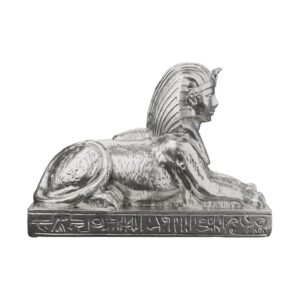
For the history reader
Reads like the museum object it depicts, the register where people start thinking about policies — for the shelf that’s already a small Egyptology exhibit.
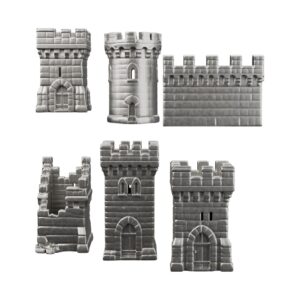
The multi-piece case
The silver weight across a full set adds up quickly, and a set stays together for decades — worth documenting as the whole it was given as.
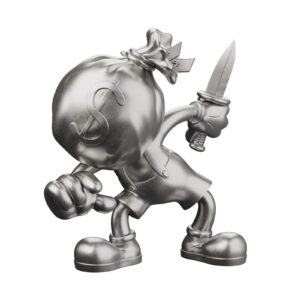
The kilo-scale end of the catalog
Runs all the way to kilo scale — an artist collaboration too, a detail appraisers like having in writing.
What we won’t promise you
Will your insurer schedule a statue, and at what premium, at what assigned value? We can’t tell you. And you should be suspicious of any seller who claims they can. Some companies take a certificate and a receipt. Some want an independent appraisal on top. Their call. What the appraiser gets from us is the measurable record: serial, stamped weight, stamped purity, X-ray verification. Nobody has to take anybody’s word for anything.
Keep one distinction straight, though, because it comes up. Our buy-back program pays 95–98% of the day’s silver spot for a statue’s stamped weight, any time, forever. That is a floor under the piece — it is not an appraisal, and it is not the number to hand your agent as the statue’s value. A statue is art with a metal floor. The policy question is about the art; the floor just means the answer can never be zero.
And the honest limitation: every piece is made to order, 4–8 weeks through eight hand-worked stages, from design through casting to stamping. Paperwork this good takes time to earn. If the gift has a date attached, count backward from it before you order.
Where to start
If you're shopping at the scale where any of this matters, start at the gifting hub and pick for the person first; the documentation comes standard at every size.